When your home starts to feel too small, you have several options for creating more living space. Two of the most popular are building an accessory dwelling unit or expanding your current house with an addition. Both can improve your property’s functionality, but they serve different purposes.
Understanding ADU vs addition is the first step toward making a smart investment. The right choice depends on your family’s needs, your long-term plans, your budget, and how you want to use the extra space.
This guide explains the differences between an ADU and a home addition, along with the advantages of each option.
What Is an Accessory Dwelling Unit (ADU)?
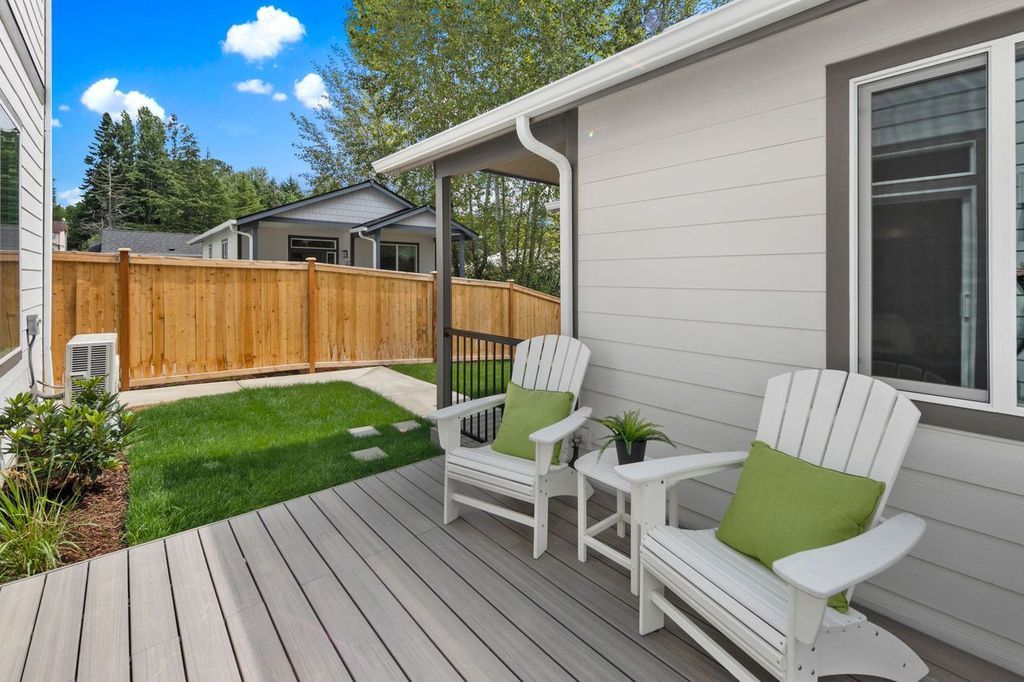
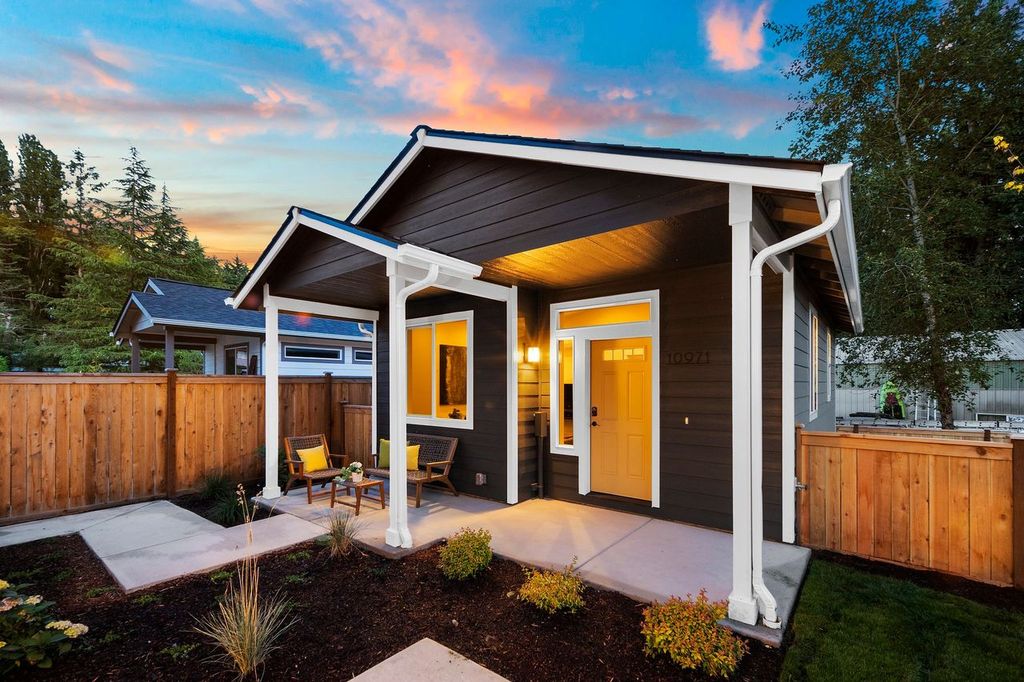
An accessory dwelling unit ADU is a secondary home built on the same property as a primary residence. It is designed to function as a complete living space with its own entrance, kitchen, bathroom, and sleeping area.
Homeowners can build an ADU in several ways:
- Detached from the primary house
- Attached to the home with a separate entrance
- Converted from an existing garage or basement
Unlike a standard home addition, an ADU is intended to operate as an independent residence.
What Is a Home Addition?
A home addition expands your existing home by adding square footage that becomes part of the primary residence. Instead of creating a separate home, the new space connects directly to the existing layout.
Common home additions include:
- Additional bedrooms
- Family rooms
- Home offices
- Bathrooms
- Sunrooms
- Bonus rooms
- Larger kitchens
Home additions are ideal for homeowners who simply need more room while keeping everyone under one roof.
ADU vs Addition: The Biggest Difference
The main difference in ADU vs addition comes down to independence.
A home addition expands the living space of your current house. Everyone shares the same kitchen, common areas, and utilities.
An ADU creates a separate home with its own essential living spaces. Residents have greater privacy while remaining on the same property.
If your goal is more shared family space, an addition may be the better fit. If someone needs independent living accommodations, an ADU offers much more flexibility.
ADU vs Room Addition
Many homeowners compare ADU vs room addition when exploring ways to create more space.
A room addition gives your family another bedroom, office, playroom, or expanded living area. It becomes part of your home’s existing floor plan.
An ADU serves an entirely different purpose. It functions as a complete residence rather than simply adding another room.
For example, adding a bedroom works well for a growing family. Building an ADU may be a better solution for aging parents, adult children, or long-term guests who would benefit from having their own living space.
ADU vs Home Addition: Comparing Daily Living
Looking at ADU vs home addition from a lifestyle perspective can help narrow your decision.
A home addition works well when your household simply needs more room. Expanding the kitchen, creating a larger family room, or adding another bedroom improves everyday comfort without changing how the household functions.
An ADU provides much more independence. Family members have their own kitchen, bathroom, and entrance while remaining close enough for regular interaction.
For multigenerational households, this balance of privacy and convenience can be especially valuable.
ADU vs Addition Cost
Another major consideration is ADU vs addition cost.
Both projects require permits, construction, and professional planning, but their costs often differ because of their complexity.
A home addition usually costs less per project because it ties into your home’s existing plumbing, electrical, and HVAC systems.
Building an ADU often requires:
- A full kitchen
- A complete bathroom
- Separate utility connections in some locations
- Additional site work
- More extensive permitting
Although the upfront investment may be higher, many homeowners view the added flexibility as worthwhile.
The exact cost depends on your location, the size of the project, site conditions, labor rates, and local building requirements.
Rental Income Potential
One of the biggest advantages of building an ADU is its rental income potential.
Many homeowners lease their ADU to long-term tenants, creating an additional monthly income stream. This income may help offset mortgage payments, cover maintenance expenses, or provide extra financial security.
A home addition generally does not offer the same opportunity because it remains part of the primary residence.
If generating future income is one of your long-term goals, an ADU may offer greater financial benefits.
Before renting any property, be sure to review local zoning rules, occupancy requirements, and rental regulations.
ADUs and Home Additions Increase Property Value
Both ADUs and home additions can add value to your property when completed professionally.
Home additions increase usable square footage, which many buyers find attractive. Features like larger kitchens, extra bedrooms, and spacious living rooms often improve resale appeal.
ADUs may attract buyers looking for flexible housing options. Some appreciate the ability to house family members, while others value the opportunity for future rental income.
The amount of added value depends on the local housing market, construction quality, neighborhood demand, and the overall design of the project.
Which Option Makes the Most Sense?
As you compare home addition vs ADU, think about your long-term goals.
A home addition may be the right choice if you want to:
- Expand your family’s shared living space
- Create larger kitchens
- Add bedrooms or bathrooms
- Improve your home’s layout
- Make your existing home more comfortable
Building an ADU may make more sense if you want to:
- Provide independent housing for relatives
- Create space for caregivers or guests
- Increase your property’s flexibility
- Take advantage of rental income potential
- Add a separate living area for future needs
Thinking about how your family’s needs may change over the next several years can help you choose the option that provides lasting value.
Planning Your Project
Before beginning construction, research local zoning laws and building requirements. Every city and county has its own regulations governing additions and ADUs.
Items to review include:
- Lot size requirements
- Property setbacks
- Maximum building size
- Parking regulations
- Utility requirements
- Permit approvals
Working with experienced builders and local professionals can make the planning process much smoother and help you avoid costly surprises.
How HiLine Homes Can Help
Sometimes expanding your current house is the right solution. Other times, building an entirely new home offers greater flexibility and long-term satisfaction.
HiLine Homes specializes in building high-quality custom homes on your land throughout Washington, Oregon, Idaho, and Northern California. If your existing home no longer fits your family’s lifestyle, building a new home may provide the space and floor plan you’ve been looking for.
Our experienced team can help you understand your options so you can make the best decision for your future.
Frequently Asked Questions
Is an ADU more expensive than a home addition?
In many cases, yes. An ADU usually costs more because it includes a full kitchen, bathroom, and separate living space. A home addition often connects to your home’s existing systems, which can reduce construction costs.
Which adds more value to a property?
Both can increase property value. A home addition adds usable square footage, while an ADU may appeal to buyers interested in multigenerational living or future rental opportunities. The added value depends on your local real estate market.
Can I build an ADU on any property?
Not always. Local zoning ordinances, lot size requirements, and building codes determine where you can build an ADU. Check with your local planning department before beginning your project.
Is a home addition or ADU better for multigenerational living?
An ADU is often the better choice because it provides independent living space while allowing family members to remain close together. A home addition works well if everyone plans to share the same household.
The Bottom Line
Choosing between addition vs ADU comes down to how you plan to use the extra space. A home addition expands your current living area, while an ADU creates a fully functional second residence.
As you evaluate ADU vs addition, consider your family’s lifestyle, future plans, budget, and property. Taking time to understand the differences now can help you make an investment that serves your household for years to come.