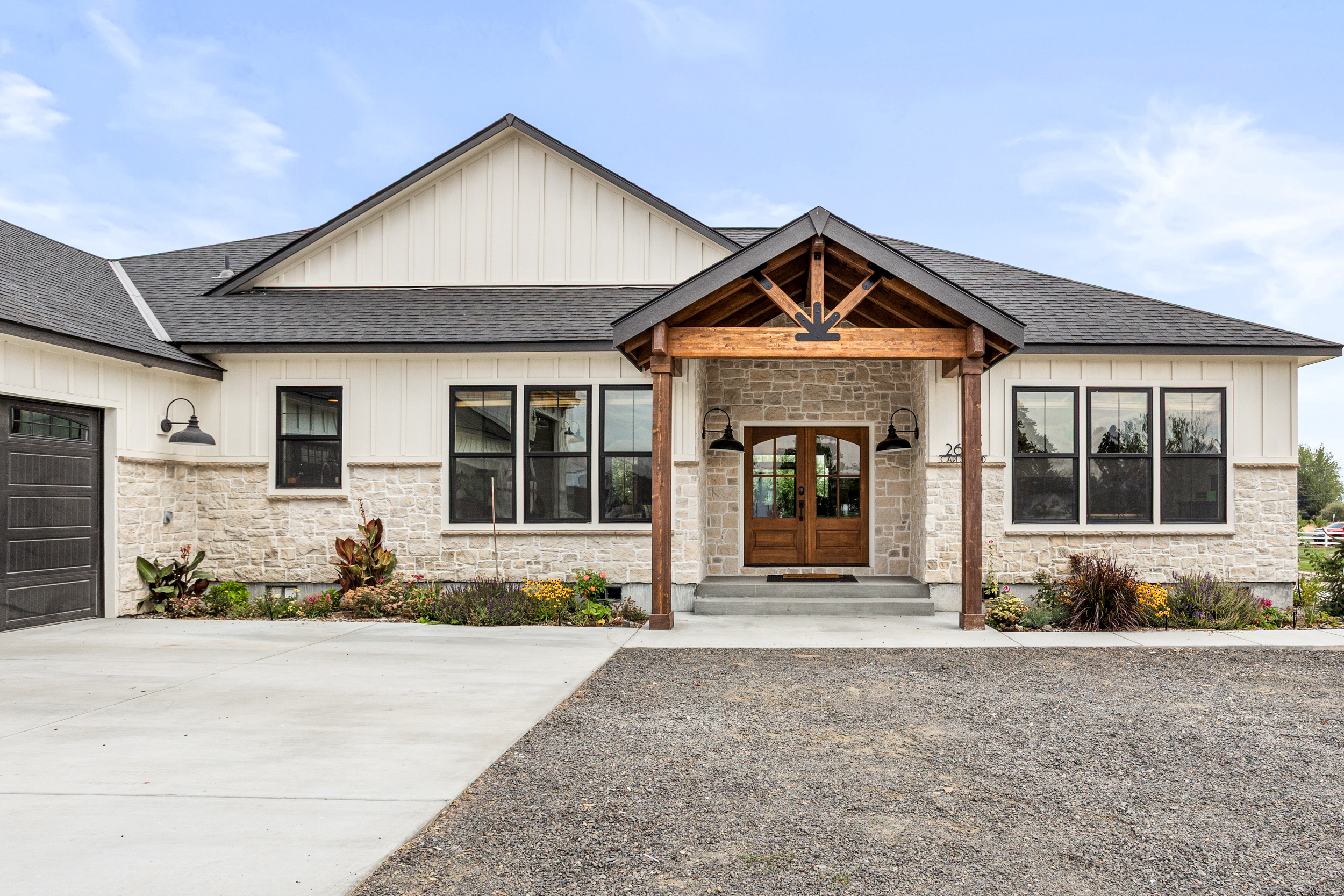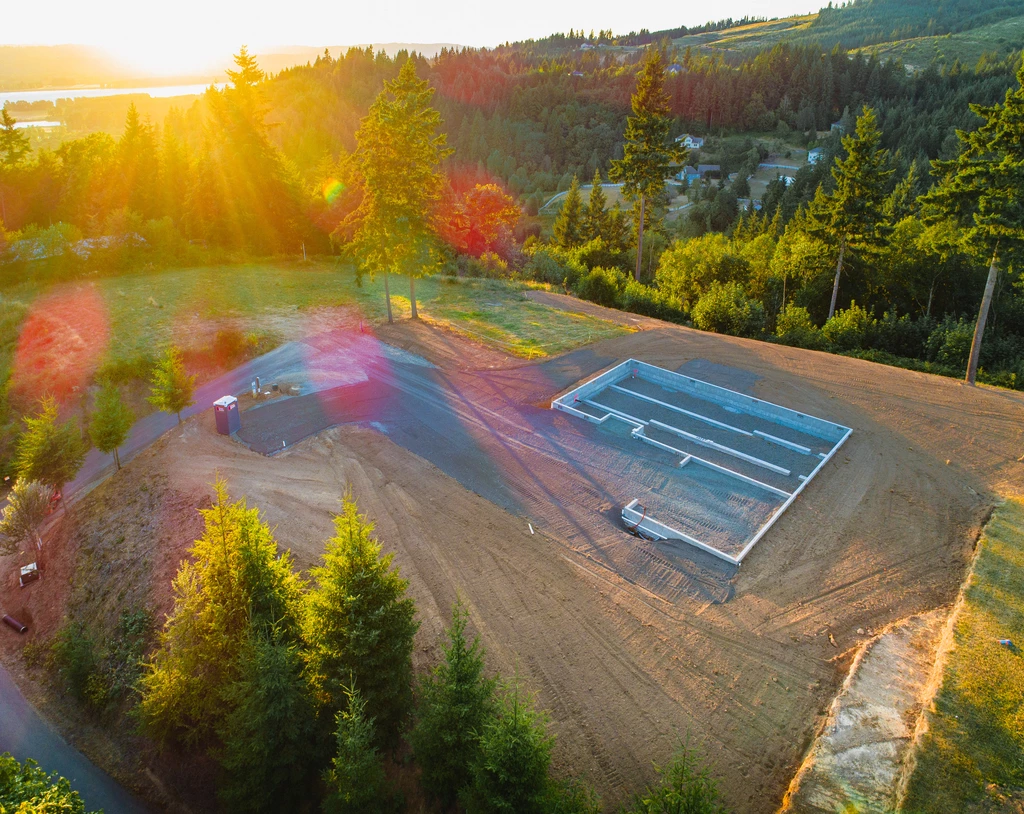
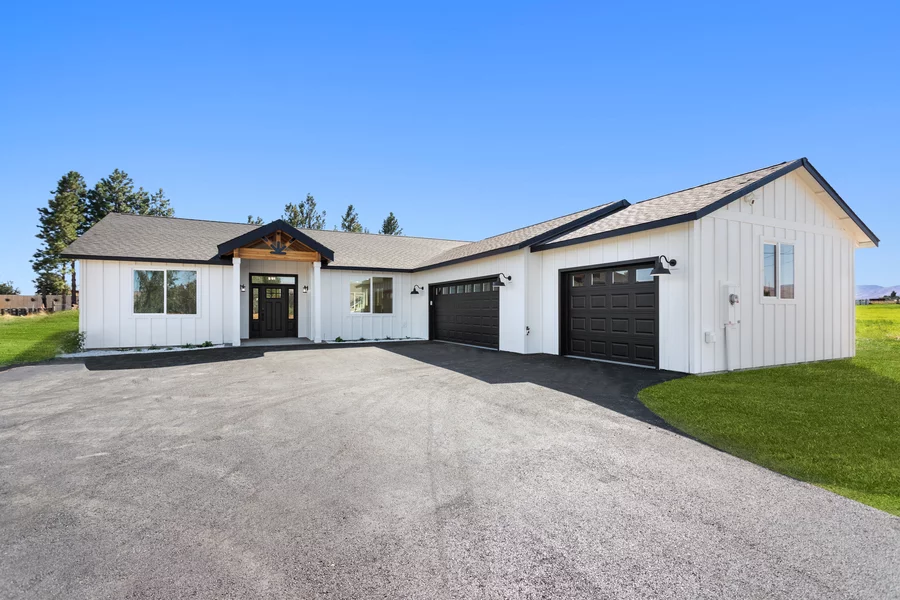
Building vs buying a home depends on your budget, timeline, preferred location, and long-term priorities. Comparing total costs, financing requirements, customization options, and maintenance needs can help you select the best path.
- Building provides greater control over the floor plan, property, finishes, energy efficiency, and homeowner involvement.
- Buying an existing home may offer a faster move but can require compromises, repairs, or expensive renovations.
- Construction costs can include land preparation, permits, utilities, excavation, materials, and optional features.
- A construction loan differs from a traditional mortgage, so early prequalification is an important planning step.
- HiLine Homes offers multiple building programs and more than 50 floor plans for on-your-lot construction.
Owning a home is a major financial and personal milestone. Before you begin looking at floor plans or touring properties, you must answer an important question: Should you build or buy a house?
The right choice depends on your budget, timeline, preferred location, and long-term goals. Buying may provide a faster path to homeownership, while building gives you greater control over the home’s location, layout, features, and efficiency. Comparing building vs buying a home can help you choose the path that offers the best value for your family.
Building a House Versus Buying a House
The primary difference between building a house versus buying a house is the amount of control you have over the finished home. When you buy an existing home, you select from properties currently available in your preferred market. The floor plan, materials, lot, and major systems have already been determined.
Building a house allows you to make many of those decisions yourself. You can select a floor plan that supports your lifestyle, choose finishes that fit your taste, and place the home on land that meets your goals. You also receive new structural components, appliances, and building systems instead of inheriting materials that may already need repairs or replacement.
That additional control requires more planning. Buyers must consider the land, site preparation, permits, financing, selections, and construction timeline before moving into a new home.
Is Building a House Cheaper Than Buying?
Many prospective homeowners ask, “Is building a house cheaper than buying?” There is no universal answer because local real estate prices, land values, labor rates, home size, and material choices all influence the final cost.
An existing home may have a lower upfront price, especially if it is smaller or needs updates. However, the purchase price does not tell the entire story. An older property may require a new roof, HVAC replacement, electrical upgrades, plumbing repairs, or remodeling. Buyers should account for immediate improvements and expected maintenance when comparing costs.
New construction can offer long-term savings through modern materials, energy-efficient systems, and reduced repair needs. An on-your-lot building program may also help homeowners create equity by building on prepared property and participating in selected parts of the process.
The most useful comparison is not simply the sales price. Consider the total cost of ownership, including financing, utilities, maintenance, renovations, and the value of the completed home.
Understanding Construction Costs
Construction costs include more than labor and building materials. Your budget may need to account for land, excavation, utility connections, permits, septic systems, wells, driveways, engineering, and other property-specific work.
The condition of the lot can make a significant difference. A relatively level site with accessible utilities may cost less to prepare than a steep, wooded, or remote property. Local requirements can also affect permitting and site-development expenses.
Home size, structural changes, finishes, and optional features influence the price as well. A clear plan helps control costs. Before building a house, work with an experienced Home Consultant to review the floor plan, standard features, available options, property needs, and projected budget.
A detailed estimate also makes it easier to compare building a house vs buying a house fairly. A new home designed for your family should not be compared only to the least expensive existing property in the area.
Financing a New Home
Financing is another important part of the build vs buy decision. To buy a house that is already complete, buyers typically use a traditional mortgage. Building may involve a construction loan that funds eligible expenses as work progresses.
Construction financing can have different qualification requirements, down-payment expectations, interest structures, and closing procedures. Some programs use the projected or final appraised value of the completed property when determining financing.
HiLine Homes works with approved lenders familiar with on-your-lot construction. Qualifying homeowners may have access to programs offering up to 100% financing. Since loan terms vary, speak with a lender early and request a full explanation of the costs, requirements, and payment schedule before committing to a project.
Early prequalification can establish a realistic budget and help you avoid selecting a home plan or property that does not fit your financing options.
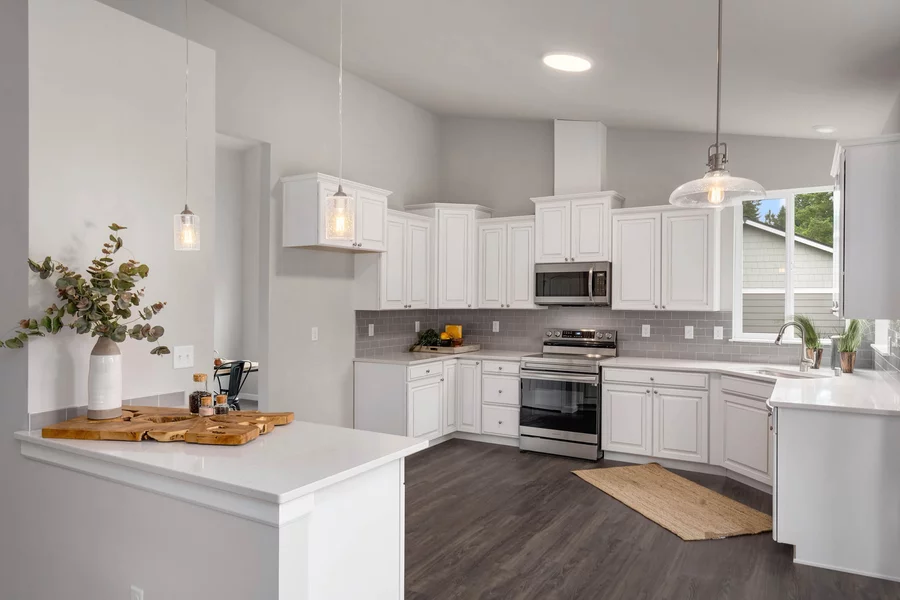
The Pros and Cons of Building
The pros and cons of building vary based on your expectations and desired level of involvement.
Advantages of building include:
- Choosing a floor plan suited to your household
- Selecting finishes, features, and design options
- Building on land in your preferred area
- Receiving new systems, materials, and appliances
- Improving energy efficiency and reducing early maintenance
- Creating potential equity through an on-your-lot program
Potential challenges include:
- Waiting for construction to be completed
- Preparing land and coordinating property improvements
- Making numerous decisions throughout the process
- Managing site-related expenses
- Securing specialized construction financing
HiLine Homes offers Traditional, Super Shell, and Shell building programs, allowing homeowners to choose how involved they want to be. The Traditional program provides a more complete building experience, while the Super Shell and Shell programs allow qualified homeowners to complete more portions of the project themselves.
The Pros and Cons of Buying
Choosing to buy an existing home also has clear advantages. The property may be move-in ready, the neighborhood is already established, and buyers can walk through the exact home before making an offer. The purchasing timeline may also be shorter than the time required for construction.
Existing homes have potential drawbacks. You may need to compromise on the floor plan, location, finishes, storage, or energy efficiency. Renovations can become expensive, especially when projects reveal outdated wiring, plumbing issues, moisture damage, or structural concerns.
Competition can also drive up prices in active real estate markets. Buyers may pay more than planned for a home that still requires substantial updates. A professional inspection can identify many concerns, but it cannot guarantee that every future repair will be found.
Building vs Buying a House: Questions to Ask
As you compare building vs buying a house, ask yourself:
- Do I already own land, or am I prepared to purchase property?
- How soon do I need to move?
- Can existing homes meet my family’s needs without major renovations?
- How much control do I want over the layout and finishes?
- Am I comfortable making decisions during construction?
- What will each option cost over the next five to ten years?
- Do I want opportunities to participate in the building process?
Your answers will help clarify the best path. A family needing an immediate move may prefer an existing home. Someone who owns land, wants a specific layout, or plans to remain in the home for many years may gain more value from new construction.
Make Your Homeownership Dreams Come True
The building vs buying a home decision comes down to more than initial price. It is a comparison of timing, flexibility, location, maintenance, financing, and long-term value.
HiLine Homes has helped thousands of families navigate building a home vs buying a house through a proven on-your-lot process. With more than 50 floor plans, multiple building programs, financing resources, and knowledgeable Home Consultants, you can create a high-quality home that supports your lifestyle and budget.
Schedule a consultation with HiLine Homes to discuss your land, goals, preferred floor plan, and next steps toward building your dream home.