This post was last updated on June 4, 2026

A feasibility study helps you determine whether a piece of land can realistically support your dream home—before you commit. This guide explains what a feasibility study is, how feasibility analysis differs from market analysis, and how evaluating technical feasibility, risks, and financial projections leads to a more informed decision.
Here’s what you’ll learn:
- What a feasibility study real estate review includes (land constraints, utilities, site work, and costs)
- The difference between a land review and a construction feasibility study
- How to estimate the feasibility study cost using practical financial projections
- Why risk assessment and technical feasibility matter before buying land
- Step-by-step project planning tips to move forward confidently with your Home Consultant
Choosing to build your dream home is exciting—and it’s normal to feel a little apprehensive. You may hear new terms like “feasibility study” and “site plan” and wonder what they mean. This page explains what a feasibility study is, why it matters in homebuilding, and how it helps you make an informed decision before you buy land or start project planning.
You’ll also learn why input from a Home Consultant can reduce surprises, clarify feasibility study cost drivers, and help you spot issues early—before they impact your timeline or budget.
What is a feasibility study for building a home?
A feasibility study is a structured way to determine whether your homebuilding plan can realistically work on a specific property. It looks at technical feasibility, costs, risks, and timeline. In a feasibility study real estate decisions, it helps you understand what the land requires so you can plan confidently and avoid costly surprises.
A feasibility study is the act of analyzing a project systematically to determine if it is capable of being carried out successfully. In homebuilding, this means evaluating the land and the build plan together—not separately. It’s not just a “can we build here?” question. It’s also “what will it take to build here, and is it worth it?”
A strong feasibility analysis typically connects four things:
- Technical feasibility: Can the home be built safely and legally on this site?
- Risk assessment: What could cause delays or unexpected costs?
- Financial projections: What are the likely site-work and utility cost ranges?
- Project planning: What steps and timing are realistic before construction starts?
When you do this early, you’re more likely to make an informed decision—and less likely to fall in love with a property that blows up your budget.
Why is a feasibility study important when choosing land?
A feasibility study helps you compare properties based on real-world buildability, not just how they look. Land can hide expensive challenges like drainage issues, steep slopes, tree clearing, or utility extensions. A feasibility analysis makes those costs visible so you can choose a lot that fits your lifestyle, timeline, and budget.
Finding land is a thrilling step. But even beautiful property can come with constraints that impact how your home fits, what your site work costs, and how long approvals take. That’s why feasibility study real estate best practices emphasize evaluating buildability before commitment.
Land-related surprises often come from:
- Topography: steep slopes, uneven grades, retaining needs
- Soils and drainage: soft soils, high water table, runoff issues
- Foliage and clearing: heavy tree removal, brush, stump/grading work
- Access: driveway length, easements, road conditions
- Utilities: distance to power/water/gas; septic vs. sewer options
A feasibility study helps you estimate which “surprises” are minor—and which are deal breakers.
What is a land feasibility study (and how is it different from a construction feasibility study)?
A land feasibility study focuses on whether the lot can support a home, utilities, and access within practical limits. A construction feasibility study expands that into “how” you’ll build—covering plans, permitting steps, schedule, and readiness. Together, they guide technical feasibility, risk assessment, and financial projections.
A land feasibility study evaluates the property itself—its opportunities and constraints. A construction feasibility study looks at the broader build plan and the steps needed to execute it.
Land feasibility study focuses on:
- Buildable area and site constraints
- Utility availability and access
- Major site-work needs and cost drivers
A construction feasibility study often includes:
- Project planning and timeline assumptions
- Permitting and documentation steps
- Site-work approach and sequencing
- Budget ranges and financial projections
In short: land feasibility answers “can this lot work?” Construction feasibility answers “how do we build successfully here?”
How do you conduct a feasibility study step-by-step?
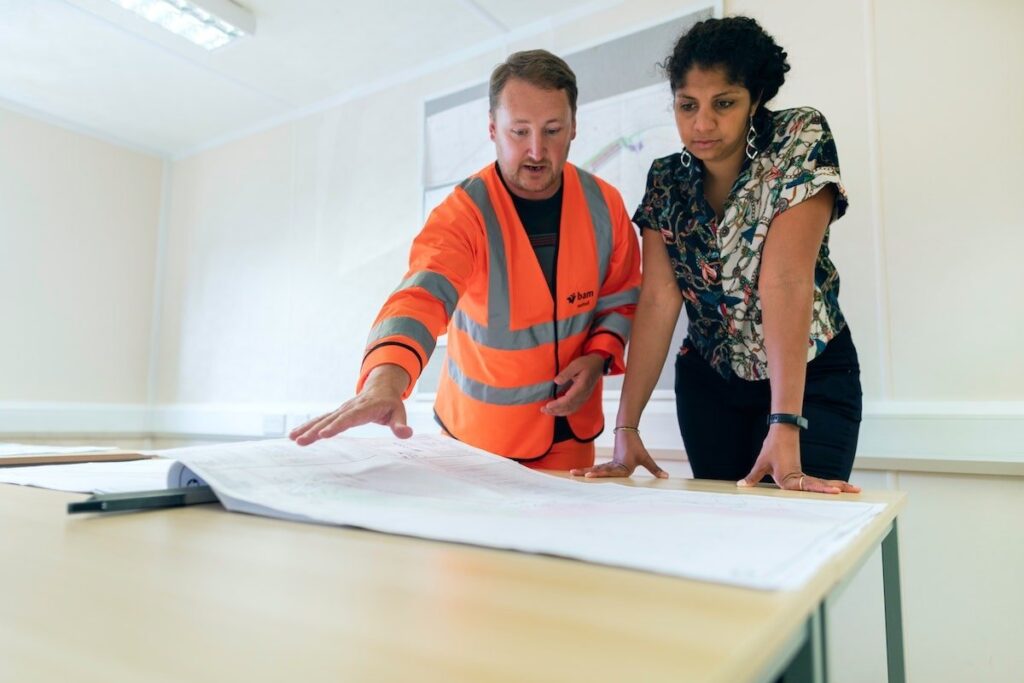
A feasibility study works best when you follow a simple sequence: clarify goals, walk the site, confirm access and utilities, estimate site-work ranges, and map next steps. This feasibility analysis turns unknowns into a plan, supports stronger financial projections, and improves readiness for project planning with fewer surprises later.
A Home Consultant can help you organize what to evaluate and interpret what it means for your home order and budget. Use this clear process to guide your assessment.
Step 1 — What do you need the property to do for your lifestyle?
Start by defining what “works” for your family—space, privacy, access, and future plans. A feasibility study is more accurate when you know what the site must support. This prevents wasted time evaluating lots that can’t realistically fit your home design, timeline, or budget goals.
Consider:
- How much usable yard space do you want
- Distance to town, schools, or work
- Views, privacy, and neighborhood feel
- Driveway length and winter access
- Room for shops, garages, or future additions
This first step keeps your feasibility analysis anchored to real needs, not just “this land is pretty.”
Step 2 — What are the challenges of the property?
Property challenges affect both technical feasibility and cost. Trees, slopes, wetlands, and drainage issues can increase site work and approvals. Treat this as a risk assessment: identify what might slow the project, add expenses, or limit where the home can sit. Document each issue and its likely impact.
Ask the practical questions: Where could the house go? What has to be cleared? What could require extra engineering? What could add time?
Common risk assessment items include:
- Steep grades that require retaining walls or significant grading
- Wetlands, drainage paths, or seasonal water pooling
- Heavy tree clearing and stump removal
- Limited frontage or awkward access
- Soil conditions that complicate foundations or septic systems
Step 3 — Will utilities be available (and what will it cost)?
Utilities are a major driver of feasibility study cost. Confirm what’s available, where it is, and what extension work might be required. Electricity, water, gas, and sewer/septic solutions can significantly impact financial projections. Knowing utility feasibility early helps you avoid underestimating site-work budgets.
Utilities to evaluate:
- Electricity: distance from service, trenching needs, overhead vs. underground
- Water: municipal connection vs. well considerations
- Sewer/septic: sewer availability or septic feasibility and placement
- Natural gas/propane: availability, line extension, or tank placement
- Internet/communications: if remote work or connectivity matters
This step is where a lot of feasibility study real estate mistakes happen—because utility distance and trenching are easy to underestimate.
Step 4 — How do you estimate feasibility study cost and build financial projections?
Feasibility study cost can range from simple early research to more detailed evaluations depending on site complexity. The goal isn’t a perfect number—it’s realistic financial projections. Identify your biggest cost drivers (clearing, grading, utilities, septic/well) and estimate ranges so you can plan and compare properties accurately.
Think in “cost categories,” not guesses. A practical feasibility study example includes a one-page budget range like:
- Site prep and clearing
- Earthwork and grading
- Driveway and access
- Utility extension and hookups
- Septic/well (if applicable)
- Permitting and required reports
- Contingency for risks uncovered
Why ranges matter: they help you decide whether the property still works if a category comes in high. That’s the core of an informed decision.
Step 5 — How do you turn your findings into a clear project plan?
Once you understand constraints, costs, and risks, you can convert your feasibility analysis into project planning. This includes sequencing tasks, scheduling an on-site evaluation, and identifying what must be verified before you finalize your home order. A clear plan reduces delays and improves confidence moving forward.
A simple project planning outline looks like:
- Confirm desired home plan and site fit
- Schedule your Home Consultant appointment
- Complete an on-site evaluation
- Finalize utility and access assumptions
- Review budget ranges and contingency
- Move into the home order process
How is feasibility analysis different from market analysis?
A market analysis focuses on property values, demand, and comparable sales. Feasibility analysis focuses on whether your specific building project can succeed on a specific lot. You often need both: market analysis helps you understand value, while feasibility analysis confirms technical feasibility, risk assessment, and realistic financial projections.
In plain language:
- Market analysis: “Is this land priced fairly for the market?”
- Feasibility analysis: “Can I actually build what I want here—on my budget and timeline?”
Together, they help you make the most informed decision possible.
FAQs about feasibility studies
What is a feasibility study example for buying land?
A feasibility study example for land might include a site-constraint checklist, utility availability notes, rough cost ranges, and next-step timing. It doesn’t need to be complicated to be useful. The goal is to translate “unknowns” into clear decisions about whether to proceed, negotiate, or keep looking.
What does a feasibility study cost?
The feasibility study cost varies based on how much you need to verify and how complex the property is. Some early checks are low-cost, while technical feasibility items (like septic planning or specialized site issues) can add more. The key is spending in the right order to avoid wasted costs.
When should I talk to a Home Consultant?
The best time is early—before you’re fully committed. A Home Consultant can help you interpret site conditions, clarify project planning steps, and understand what could impact budget and schedule. Early guidance can prevent expensive surprises and support a smoother home build process.
Would you like to learn more about your property’s feasibility?
If you’re evaluating land and want a clearer path forward, a Home Consultant can help you assess technical feasibility, identify risks, and map the next steps. With stronger feasibility analysis and project planning, you’ll move forward with confidence—whether that means starting your home order or continuing your land search.